-
Back


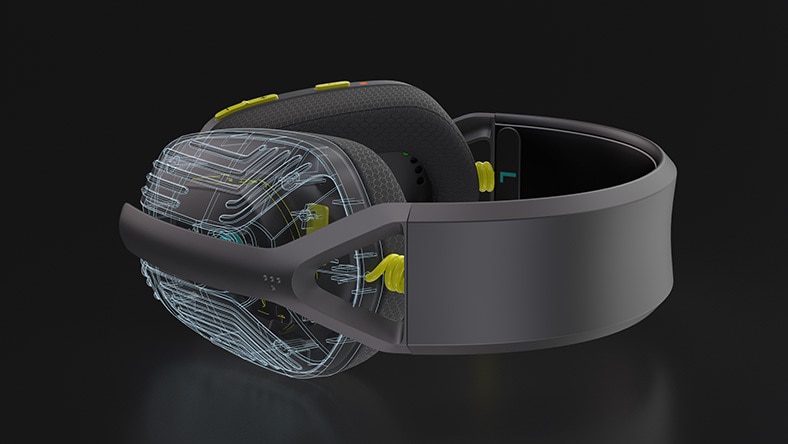
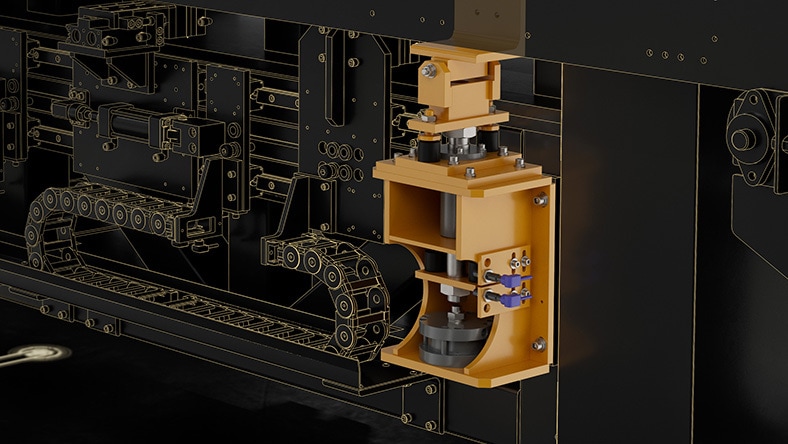









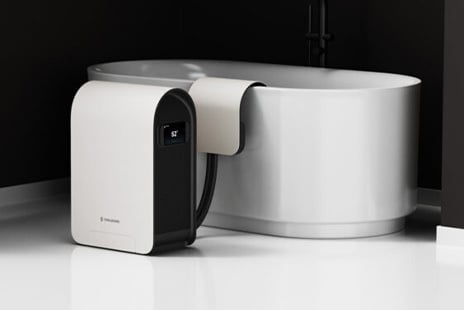
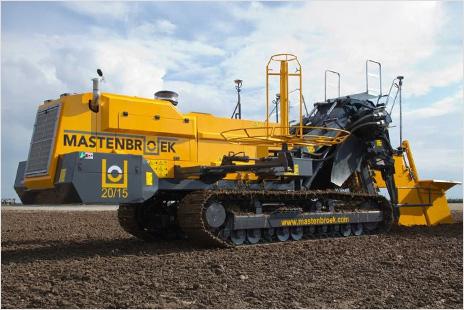
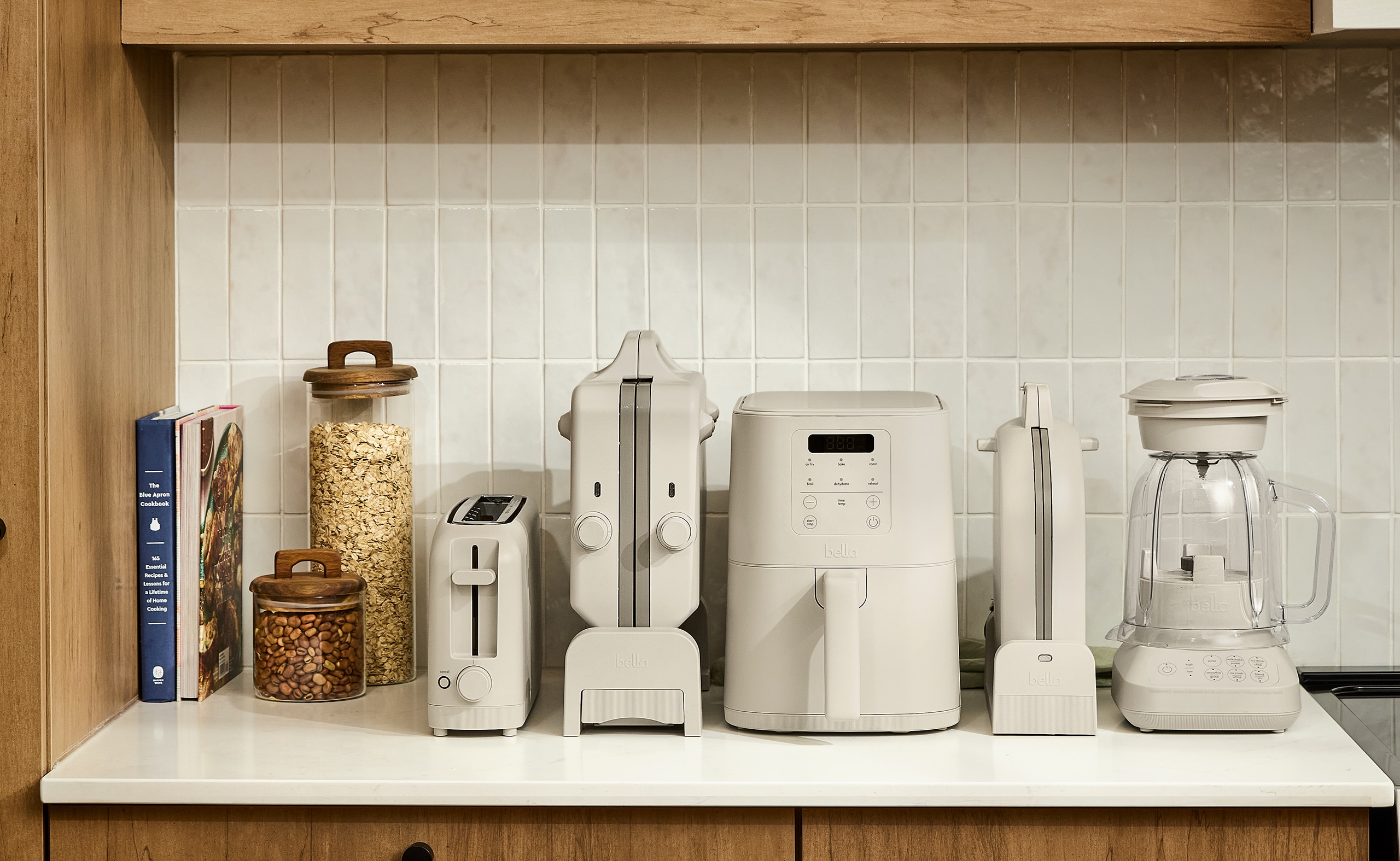
Product design plays a crucial role in the manufacturing process for the following reasons:
- User experience: Product design influences the user experience i.e., how easy, intuitive, and enjoyable customers find it to use your product. By focusing on ergonomics, aesthetics, and intuitive design, product manufacturers can create products that customers find visually appealing, easy to use, and enjoyable.
Desirable products support brand preference, meaning that customers will seek out, and/or recommend your products. This can improve sales and market share. - Meeting customer needs: Great user experience starts with understanding customer needs and preferences. By incorporating customer feedback and market research into the design process, manufacturers can create products that align with customer expectations, leading to higher customer satisfaction and increased sales.
- Innovation and differentiation: Product design is a key driver of innovation and differentiation in the marketplace. By creating unique and innovative designs, manufacturers can set themselves apart from competitors, attract customers, and gain a competitive edge.
- Feasibility and efficiency: To meet the desired unit cost of the product, designers must consider the feasibility of the design, and consider factors such as materials, production techniques, and assembly processes to ensure that the product can be manufactured efficiently and cost-effectively. Designing for manufacturability helps streamline production, reduce waste, and optimize resources.
- Quality and reliability: A well-designed product is more likely to meet quality standards and meet customers' performance expectations. Design considerations such as material selection, structural integrity, and tolerance specifications can significantly impact the product's durability, functionality, and overall quality.
- Cost optimization: Design decisions have a significant impact on the cost of manufacturing a product. By considering factors such as material costs, production processes, and component integration, designers can identify opportunities to optimize costs without compromising product quality or functionality.
- Time to market: Efficient product design can help reduce the time it takes to bring a product to market. By streamlining the design process, minimizing design iterations, and considering manufacturing constraints early on, manufacturers can accelerate the product development timeline and gain a competitive advantage.
Product design is important in the manufacturing process because it ensures that products meet customer needs, can be efficiently manufactured, are of the desired quality, and offer a competitive advantage in the market. Design engineering is a critical step in manufacturing successful and profitable products.


