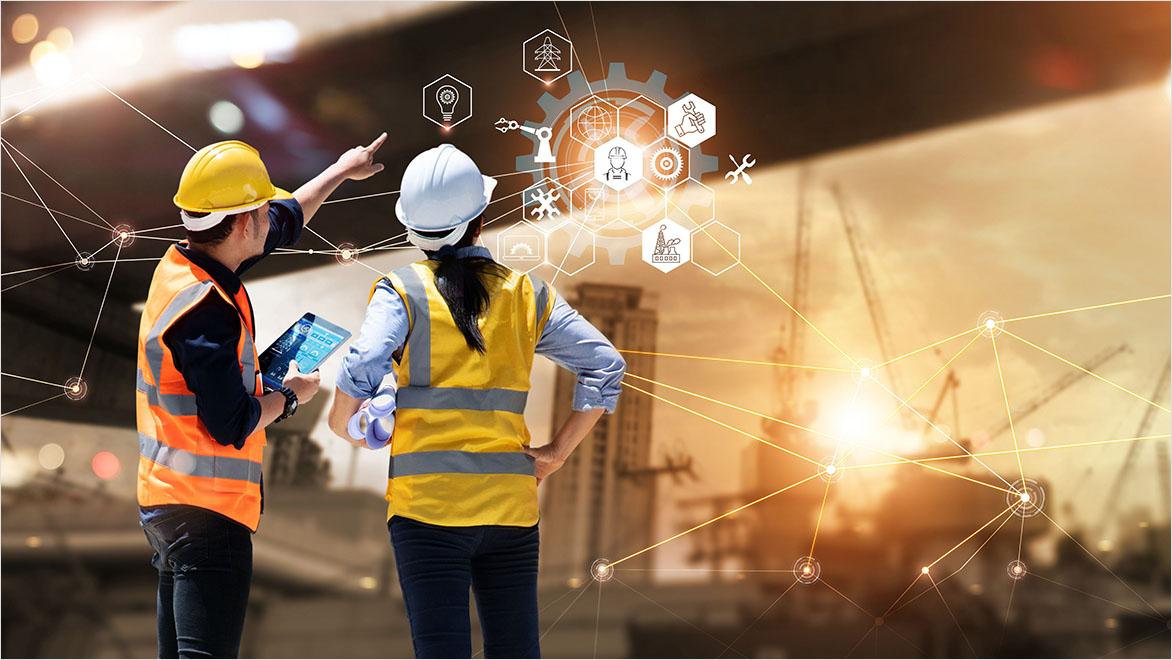
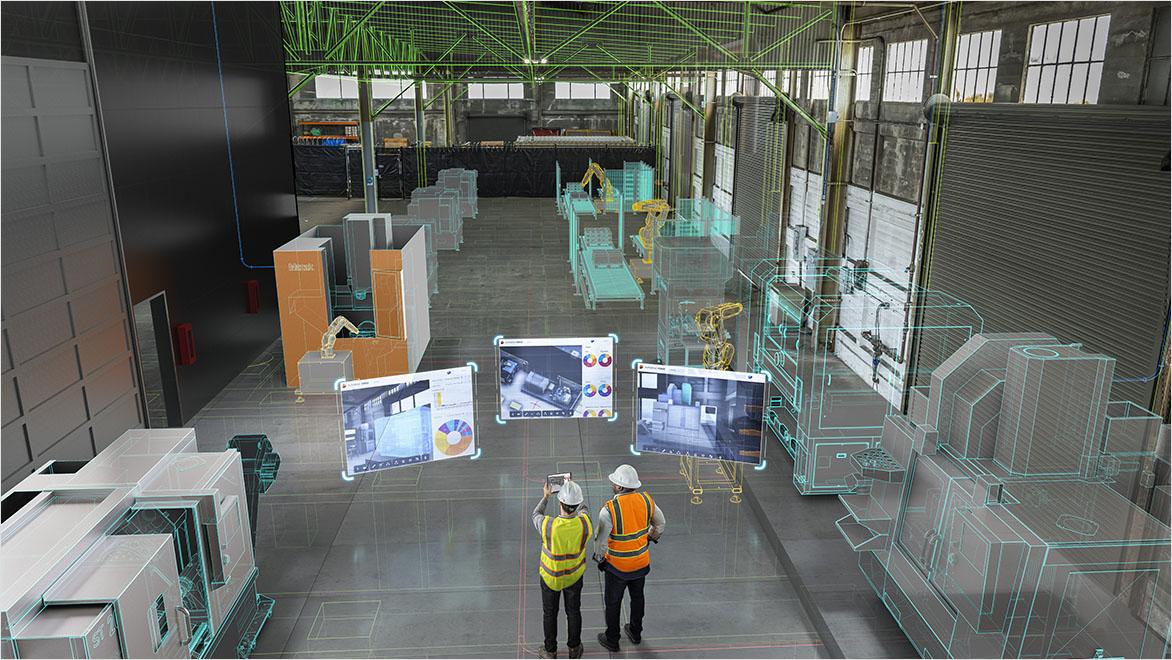
In architecture, engineering, construction, and operations (AECO), convergence is breaking down traditional silos by connecting design, construction, and operations through technologies such as building information modeling (BIM) and digital twins. 65% of Autodesk State of Design & Make report (PDF, p.28) AECO respondents say their company is digitally mature, and 44% consider themselves very mature in Design for Manufacturing and Assembly (DfMA). As eco-friendly practices and renewable energy solutions are incorporated into the design and construction processes, smarter, greener buildings can be built.
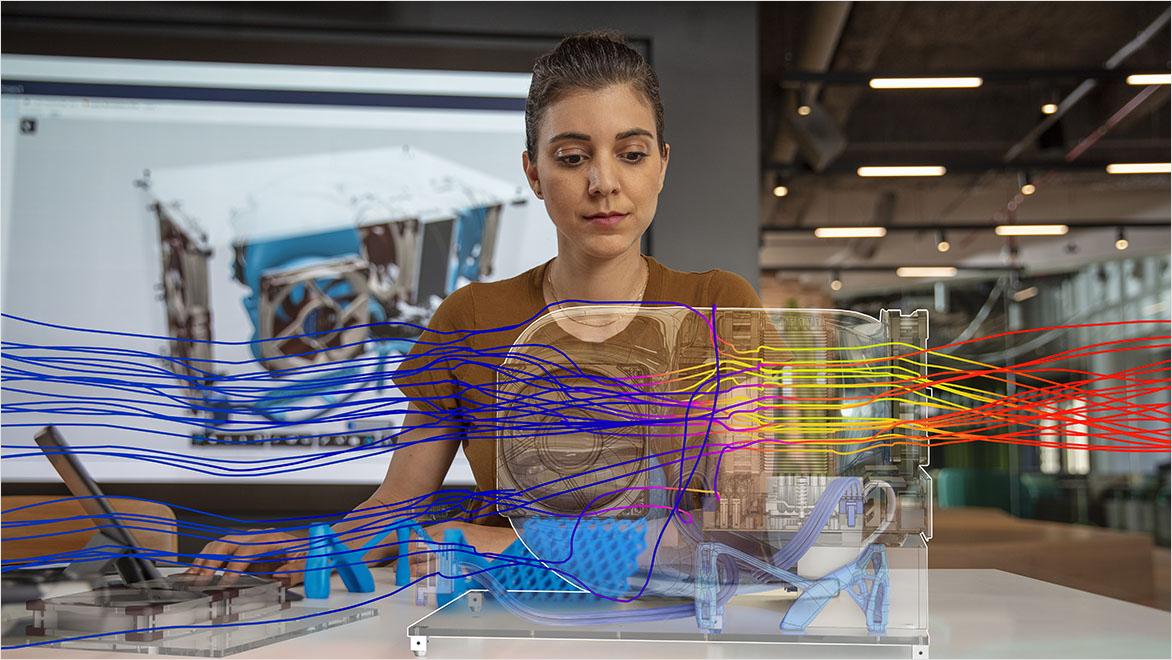
In product design and manufacturing (PD&M), convergence drives advanced manufacturing technologies with digital tools such as CAD, CAM, and simulation software. Centralized data ensures consistency and precision, allowing manufacturers to streamline workflows, optimize production processes, and create rapid prototypes using methods like 3D printing and generative design. Combining digital twins, automation, and artificial intelligence (AI), companies can simulate and monitor entire production systems, improving efficiency and reducing waste. With these benefits, it’s no surprise 79% of respondents (PDF, p.21) surveyed in the State of Design & Make report say that the future growth of their company depends on using digital tools.
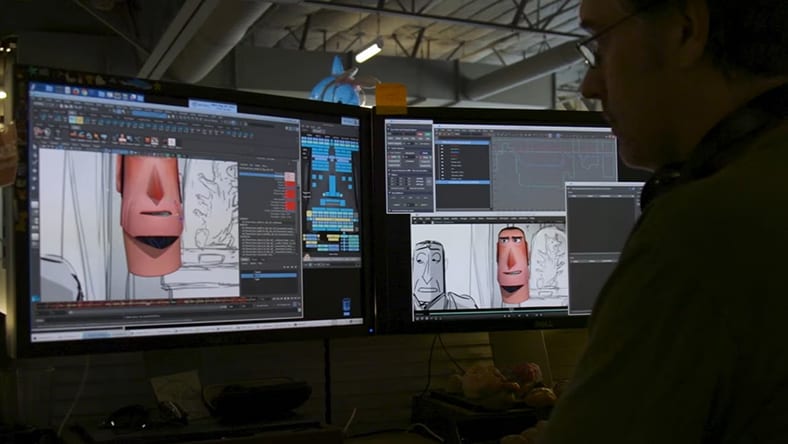
In the media and entertainment (M&E) industry, convergence reshapes how content is created, distributed, and consumed. Centralized data acts as the backbone for the blending of digital media, virtual production techniques, and immersive technologies like augmented reality (AR) and virtual reality (VR) create richer, more interactive experiences for audiences. Convergence allows M&E professionals to work seamlessly across physical and digital environments, using advanced tools to streamline workflows, manage digital assets, and enhance collaboration across global teams. Integrating AI and cloud-based platforms is accelerating the content creation process, so creators have time to focus more on storytelling and artistic exploration while reducing the complexities of production. 76% of respondents surveyed in the Design & Make report (PDF, p. 32) believe AI will enhance the M&E industry and make it more creative. Through the power of shared data, these beliefs are becoming reality.